

Ian Xiaohei Illustrations
A Codex Skill that turns a Chinese-language article's core judgment, process or metaphor into a single white-background, hand-drawn 16:9 illustration featuring a recurring character called Xiaohei.
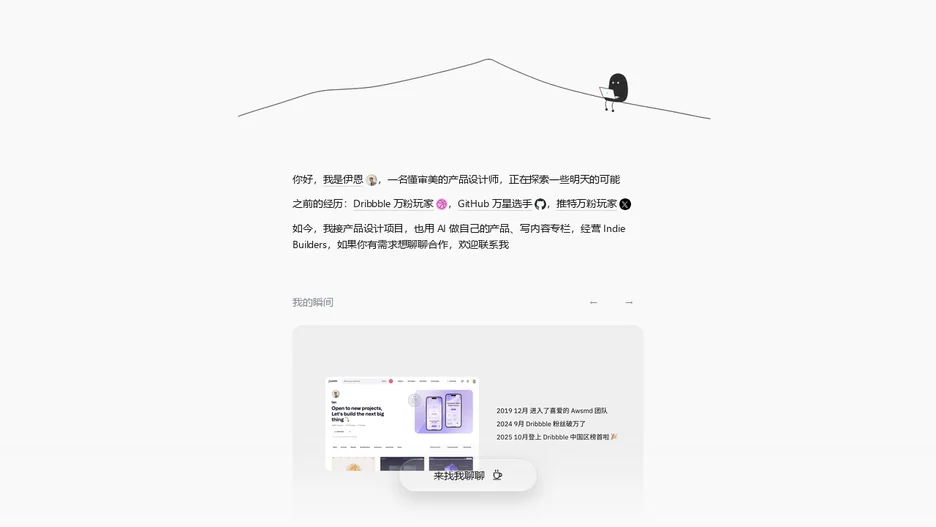
Ian Xiaohei Illustrations is a Codex Skill that guides an AI agent to generate illustrations for the body of Chinese-language articles, posts, blogs, Notion documents and methodology content. Rather than a generic illustration prompt or a slide-style infographic template, it aims to identify one key judgment, process, state or metaphor in a piece of writing and turn it into a single memorable illustration.
Its default output is a white-background, hand-drawn, 16:9 image using a recurring visual character called Xiaohei, described as an earnest, absurdist participant in the depicted scene rather than a decorative mascot, drawn with black line art, heavy white space, and a small amount of red, orange or blue handwritten Chinese annotation. For a given article, it produces a shot list of four to eight such illustrations, each naming its theme, core meaning, structure type, the character's action and a suggested annotation, followed by the final images as PNG files.
It is installed by cloning the repository into the Codex skills directory and then invoked from Codex by naming the skill directly.