

MiniSearch
MiniSearch is a self-hosted, private web search engine with an AI assistant that can run entirely inside the browser, requiring no API key, inference server or third party to see a user's queries.
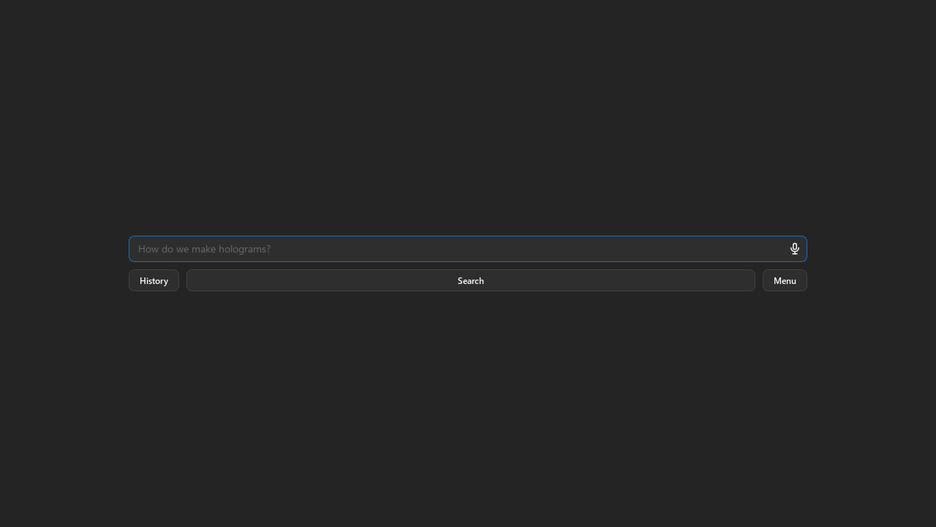
MiniSearch pairs a bundled SearXNG metasearch instance with an AI assistant that can run on-device, on GPU where available or on CPU otherwise, using a curated selection of models from 135 million to 4 billion parameters that download once and are cached by the browser. Search history, cached results and chats are stored only in the browser, with no tracking, telemetry or accounts, and the whole application ships as a single Docker container.
Text and image results from SearXNG are reranked locally by a cross-encoder model, cached and rate-limited inside the container. Instead of the bundled in-browser model, it can also connect to any OpenAI-compatible backend such as Ollama, LM Studio or vLLM, to the crowdsourced AI Horde, or have the server proxy a user's own API key without exposing it to the browser. Responses cite their sources, support follow-up questions with conversation memory, can show the model's reasoning, and can be read aloud.
It can be set as a browser's default search engine, triggered from Raycast, or embedded in another page, and images are published with provenance and software bill of materials attestations.